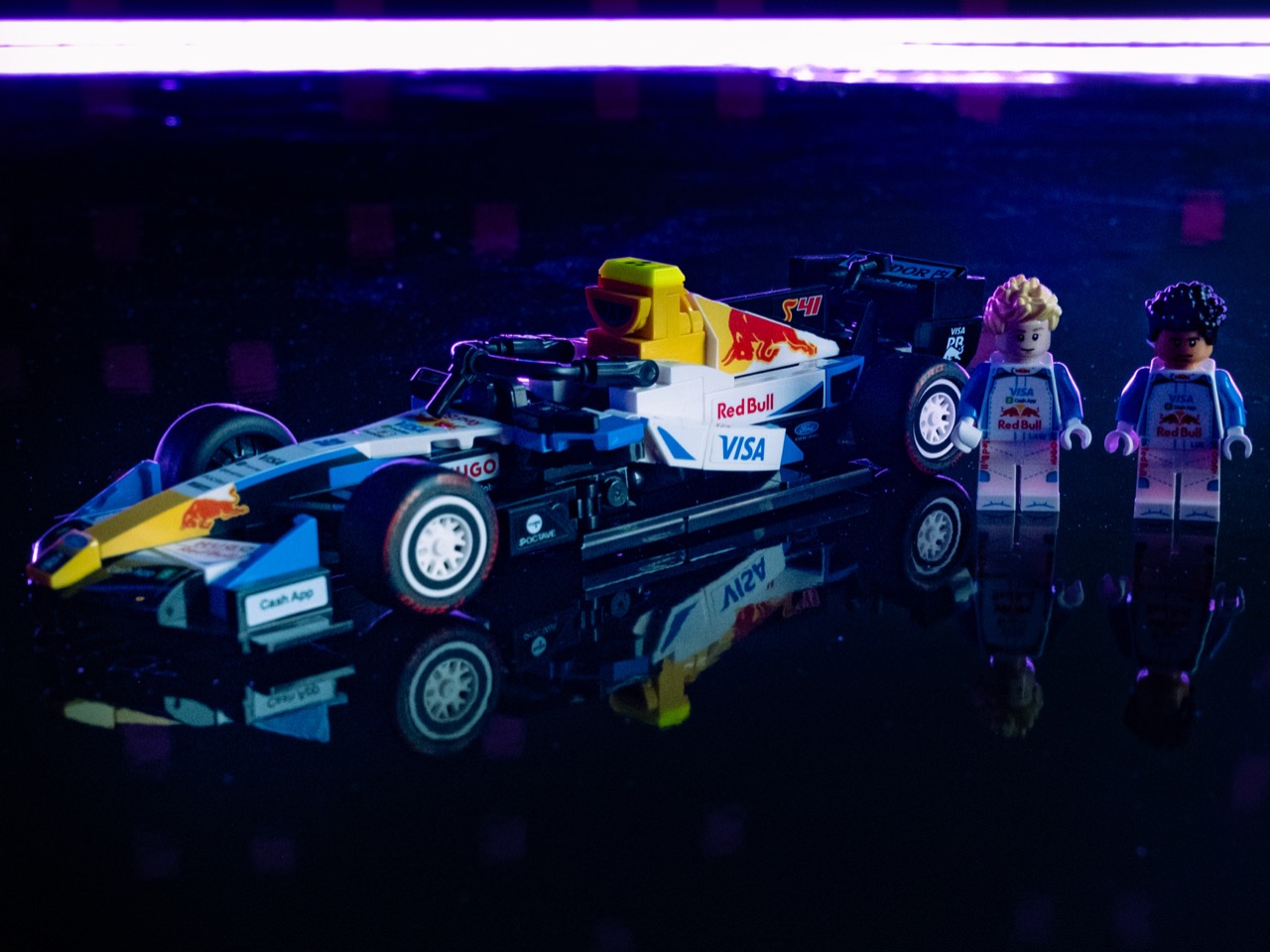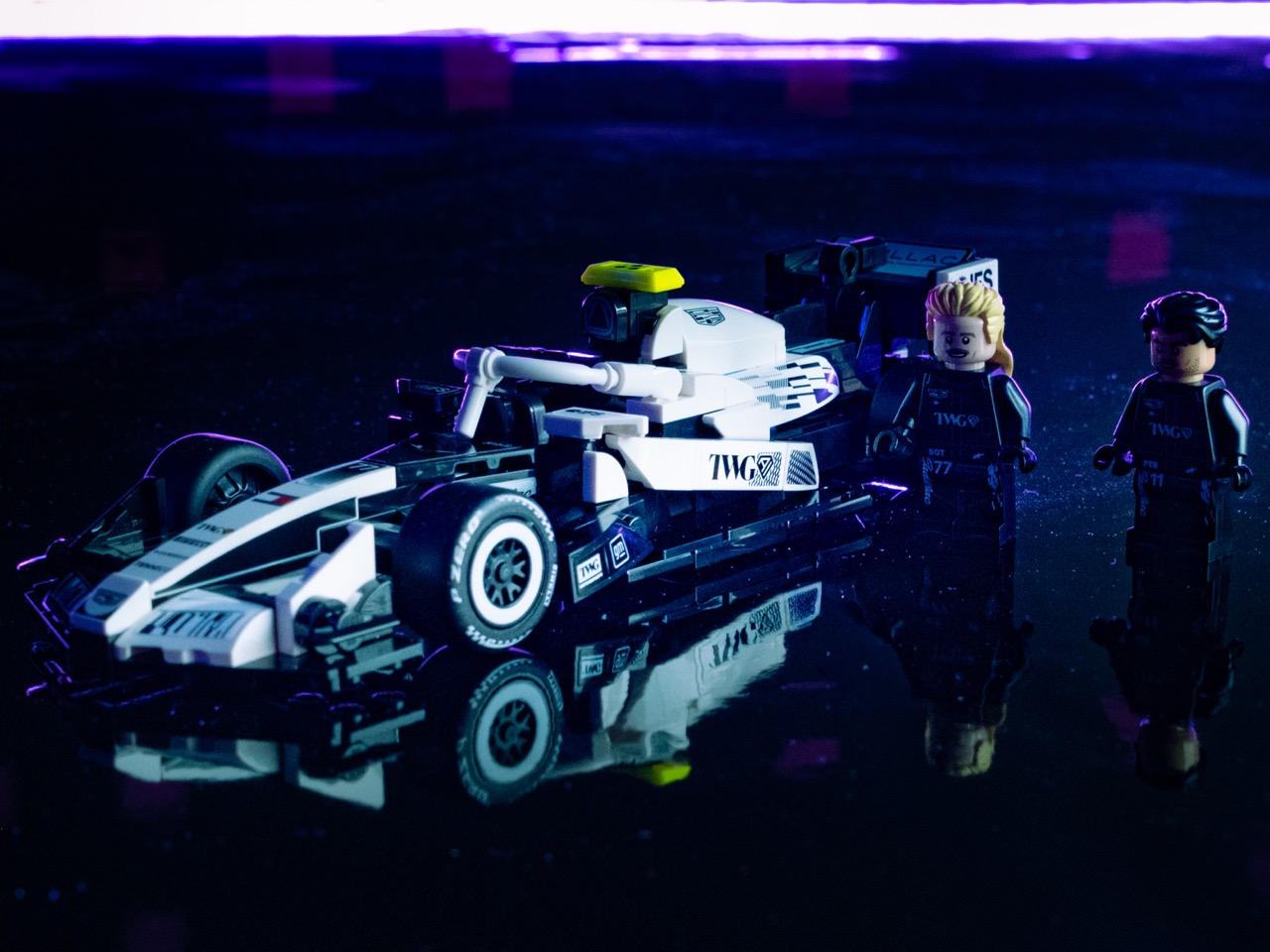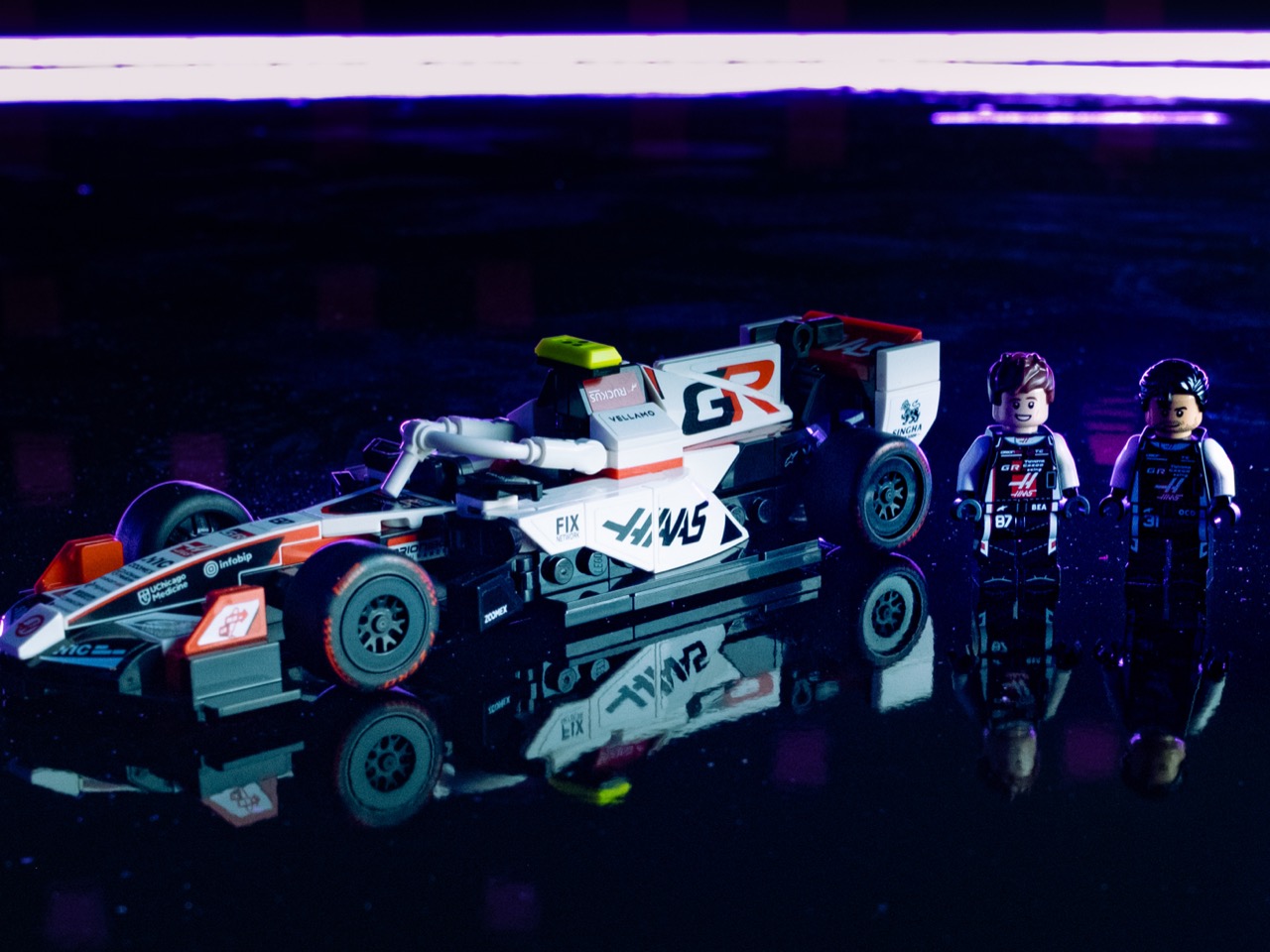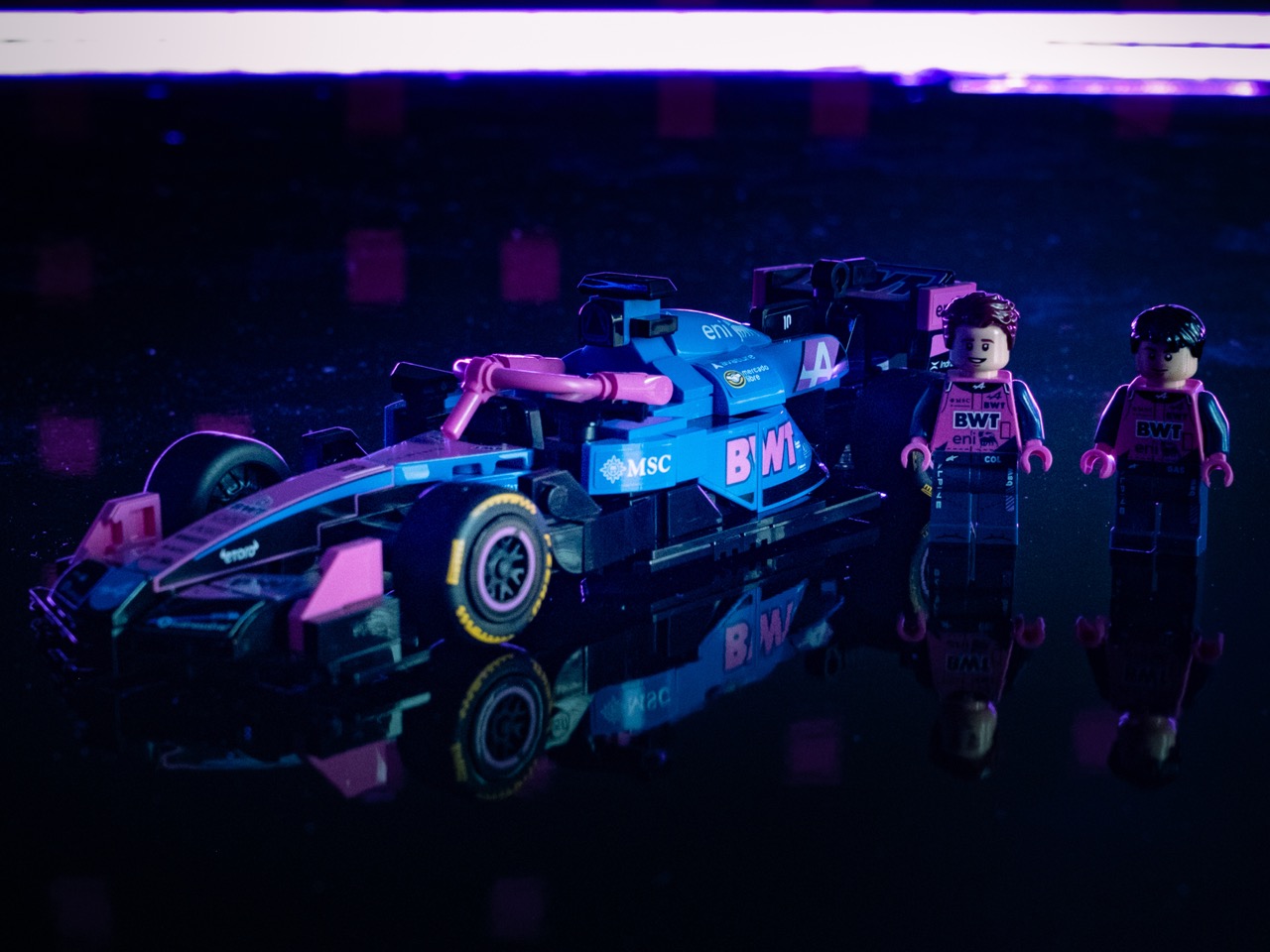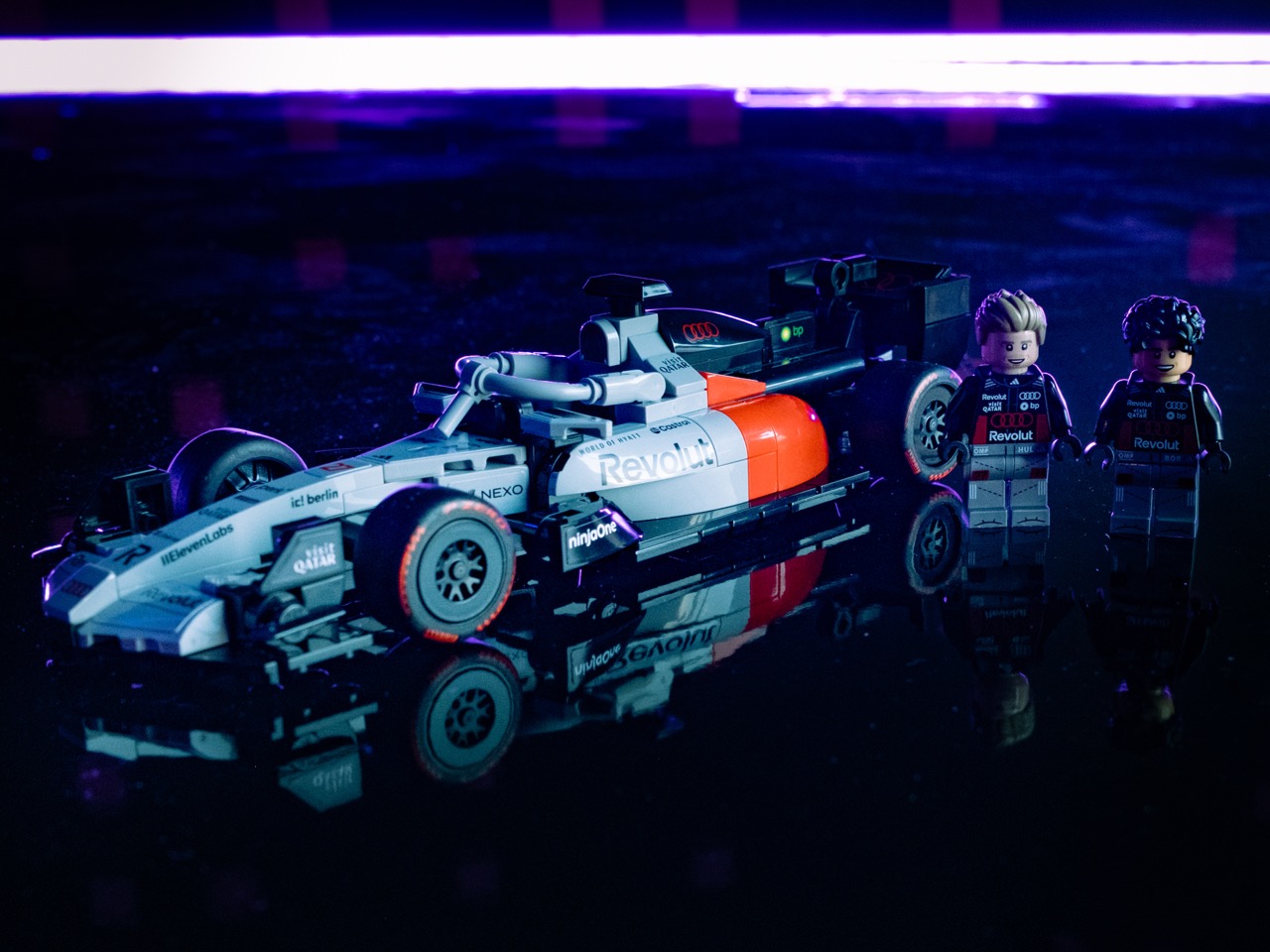
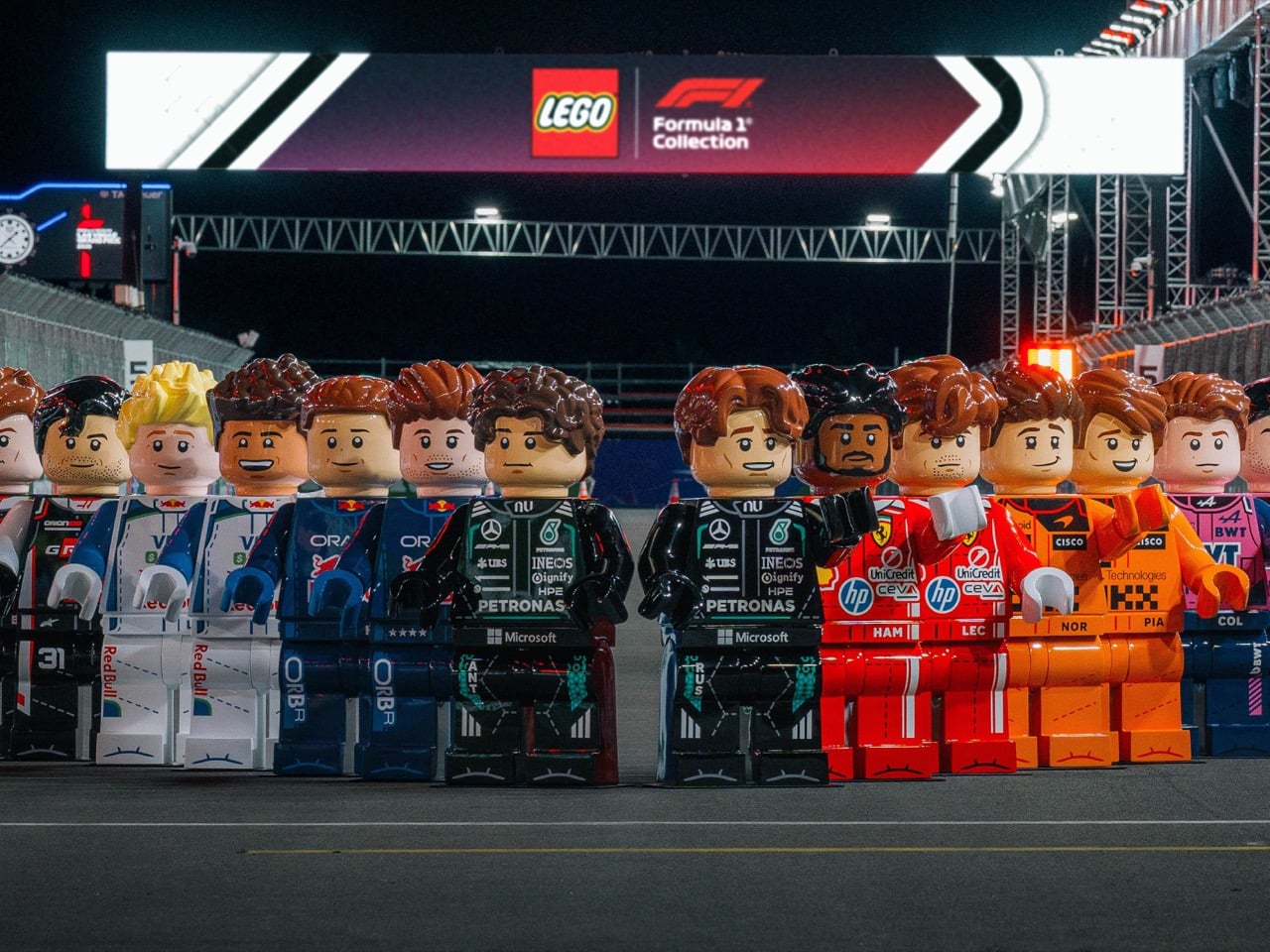
For two seasons, the drivers in LEGO’s Speed Champions Formula 1 sets had no names. The 2025 grid nailed every livery down to the sponsor decals, then dropped a nameless driver into each cockpit, like a racing team staffed entirely by stunt doubles. That era ended this week in Las Vegas. LEGO revealed a new Speed Champions F1 collection featuring all 22 drivers from the 2026 grid as named, numbered minifigures. Hamilton, Verstappen, Norris, Alonso, the whole paddock, finally with faces.
There are 11 sets, one per team, and each box comes with both of that team’s drivers, so you get two minifigs per car instead of one. The builds are based on the 2026 cars, including the SF-26, the MCL40, the W17, and Cadillac’s MAC-26, the American team’s very first F1 car. Every figure gets a printed helmet and race suit bearing their name and number, plus their own hair piece, which is a lot of personality for someone about 1.6 inches tall. Each set costs $29.99 and arrives March 1, 2027, ahead of the new season. Pre-orders are already live in select regions.
Designer: LEGO Design Team (with Formula 1)
Two years of stunt doubles, then the real names
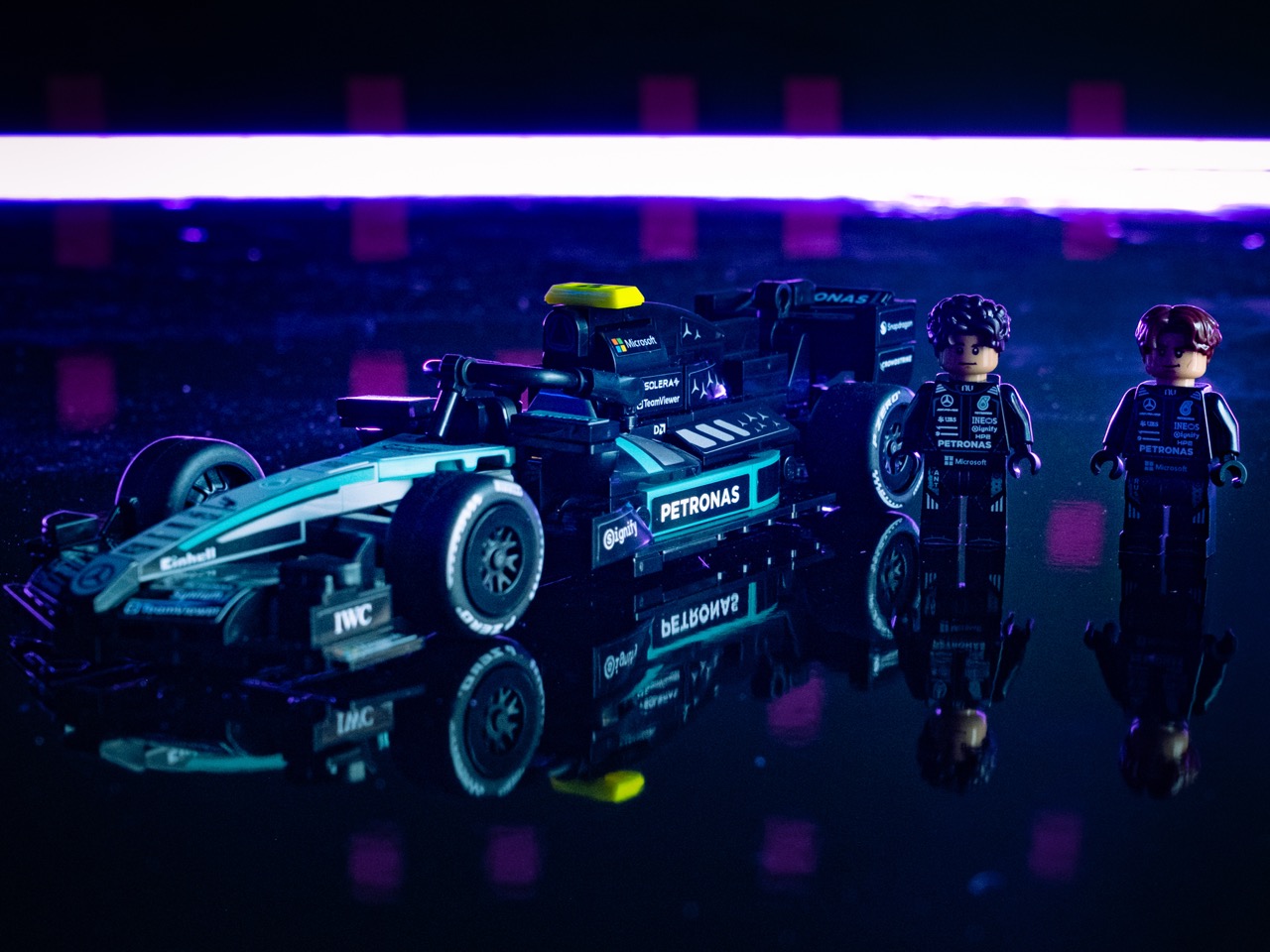
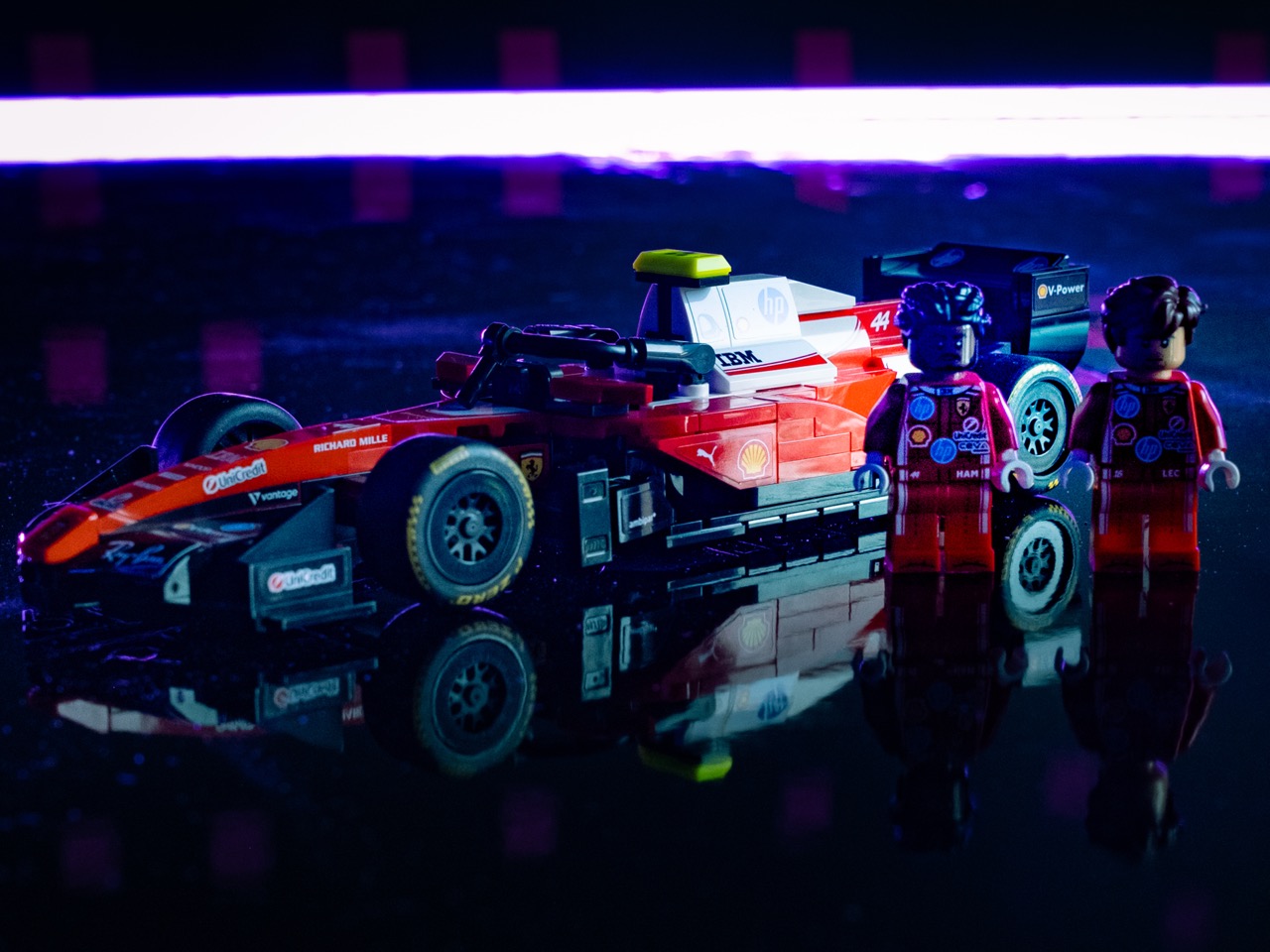
LEGO had the teams before it had the people. When the 2025 range was unveiled in Vegas, LEGO’s Julia Goldin told Brick Fanatics the company hadn’t brought the drivers into the deal yet, so every Speed Champions F1 set shipped with a generic figure. Real faces arrived through the side door in 2026. The LEGO Editions helmets for Charles Leclerc and Lewis Hamilton each packed a minifig of their owner, and McLaren’s 1000th-race helmets did the same for Norris and Piastri. Then the F1 The Movie set put Sonny Hayes and Joshua Pearce in one box, two drivers sharing one car, which now looks a lot like a dress rehearsal.
Licensing 22 likenesses at once may help explain the wait. The focus on drivers also suits the fandom. Netflix’s Drive to Survive turned them into the main characters, and plenty of fans pick a driver first and a team second. Pairing teammates in one box adds some tension to the shelf, since the person you most need to beat in F1 is usually sitting in the other half of your own garage. Hadjar now shares a box with Verstappen, and the Ferrari set puts Hamilton and Leclerc side by side, so congratulations, you’re the team principal now.
The LEGO cars shrank because the real ones did
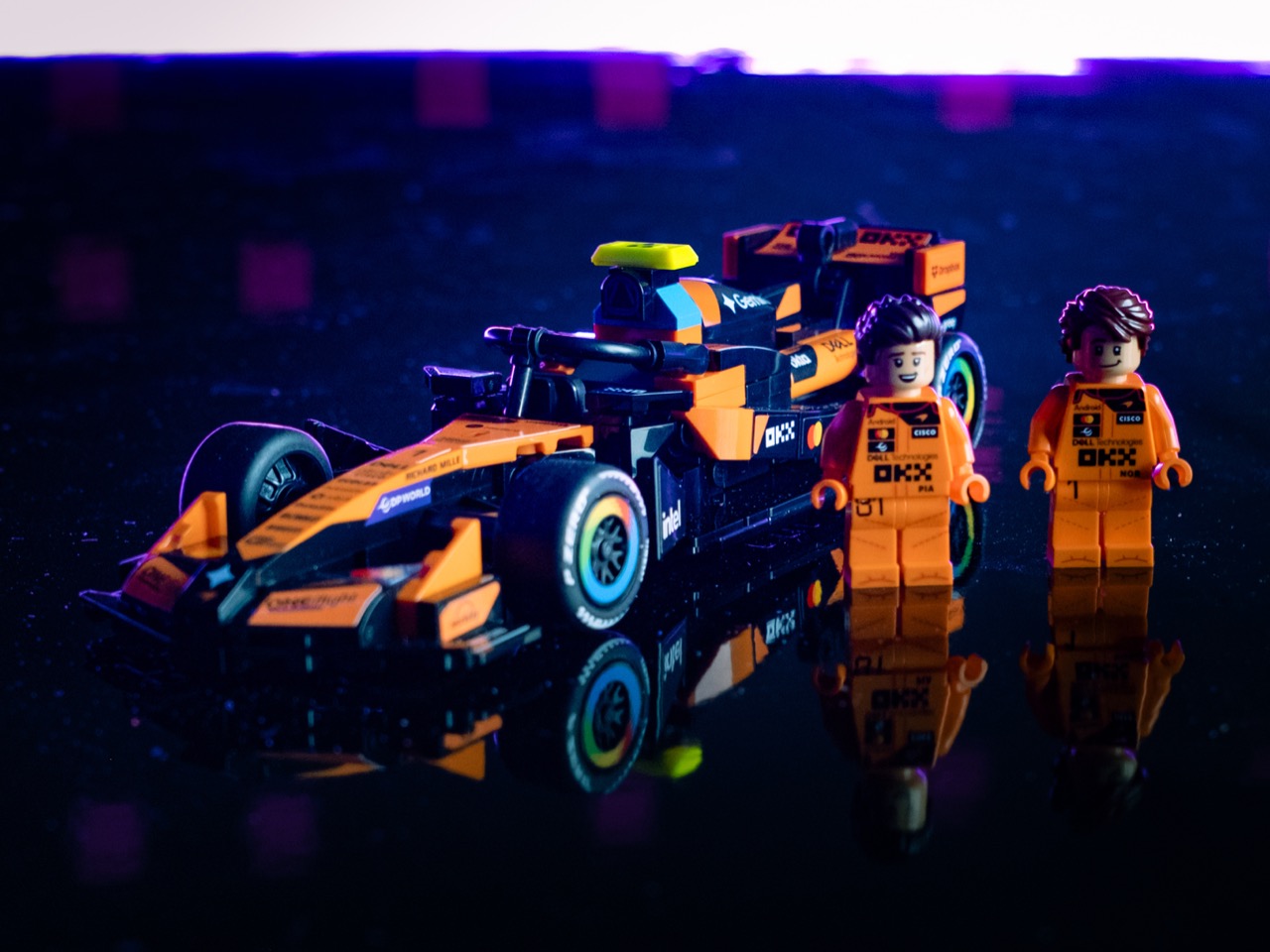
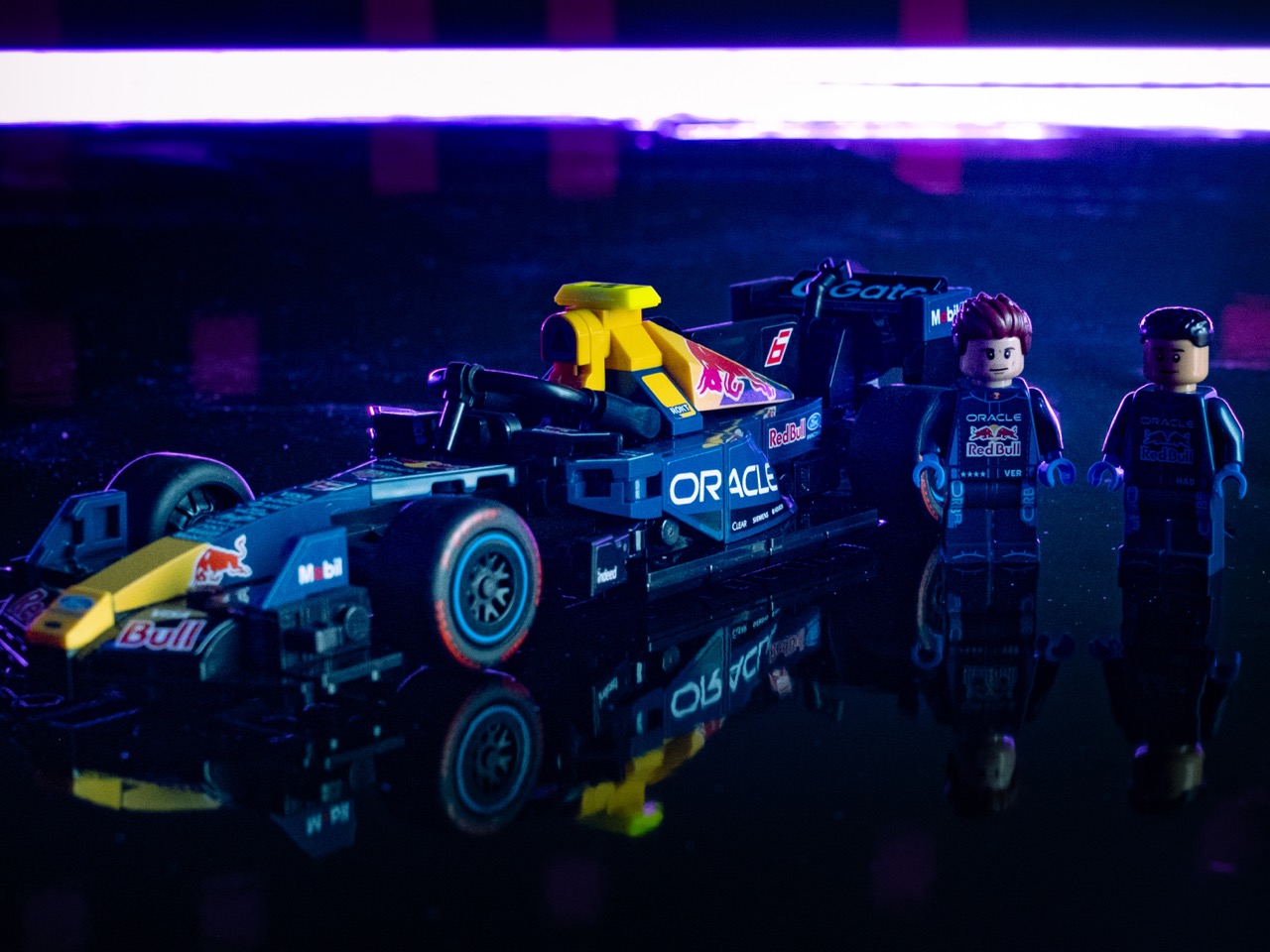
Formula 1’s 2026 rules trimmed about 4 inches (100mm) of width and 8 inches (200mm) of wheelbase from the cars. LEGO followed along. The new builds measure 7.5 inches (19cm) long and roughly 2.5 inches (6cm) wide, down from about 8 inches by 3 inches for the 2025 Speed Champions F1 cars. The front wing is now seven studs across instead of eight. Piece counts dropped with the footprint, from a range of 248 to 275 elements in 2025 to between 196 and 231 now.
My favorite detail, though, is the sheet of driver number stickers in every box. Real F1 cars carry their driver’s number so you can tell teammates apart at 200 mph, and the stickers let you do the same on your coffee table. Either minifig can claim the car, though you’ll have to negotiate that in a two-kid household. The set stays accurate whichever teammate you root for. The scale math throws in a bonus: the cars land around 1:32 on width while minifigs sit closer to 1:44, so every driver gets a roomier cockpit than any real F1 seat has ever offered.
$29.99 a car, $329.89 for the whole grid
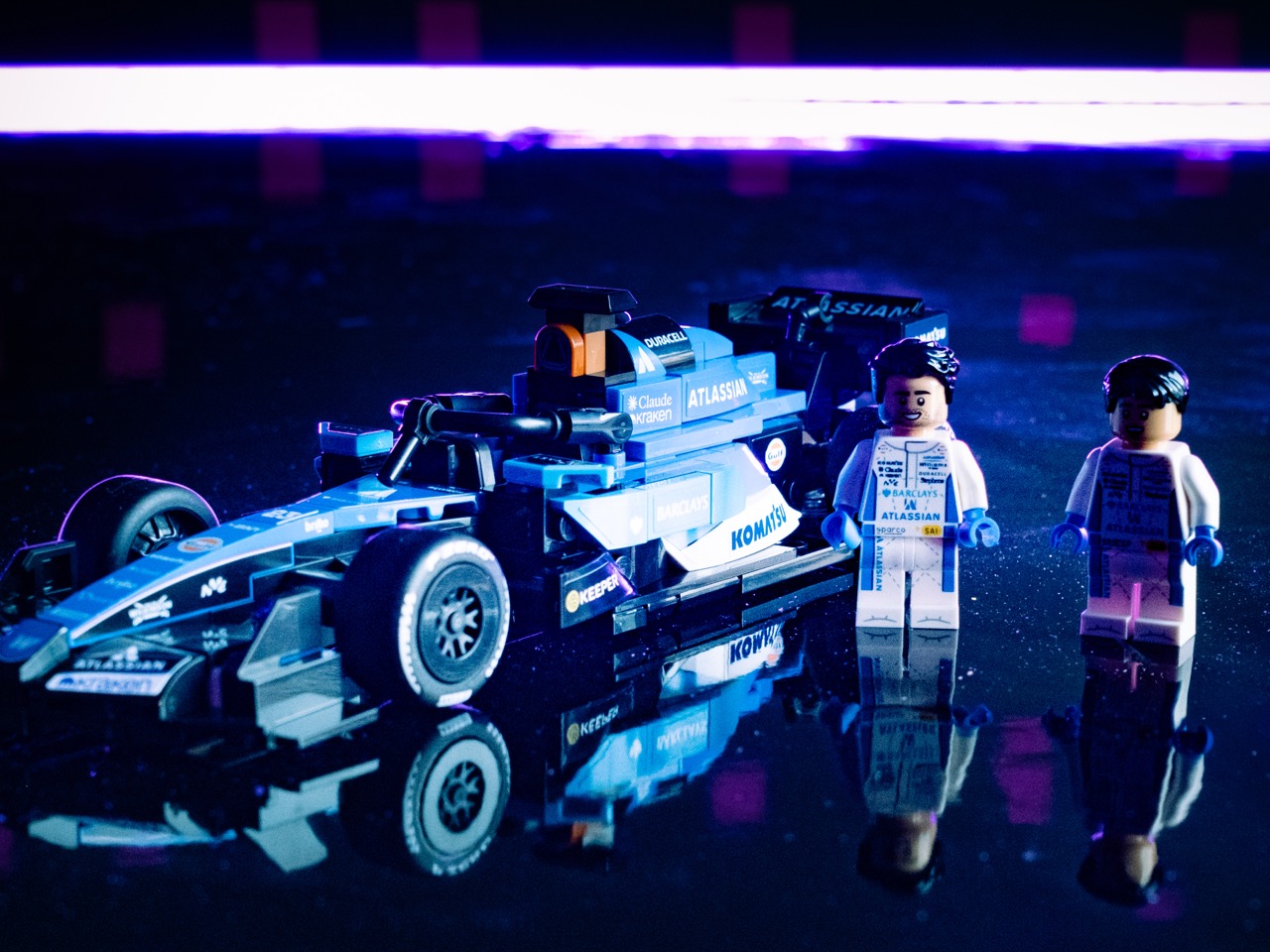
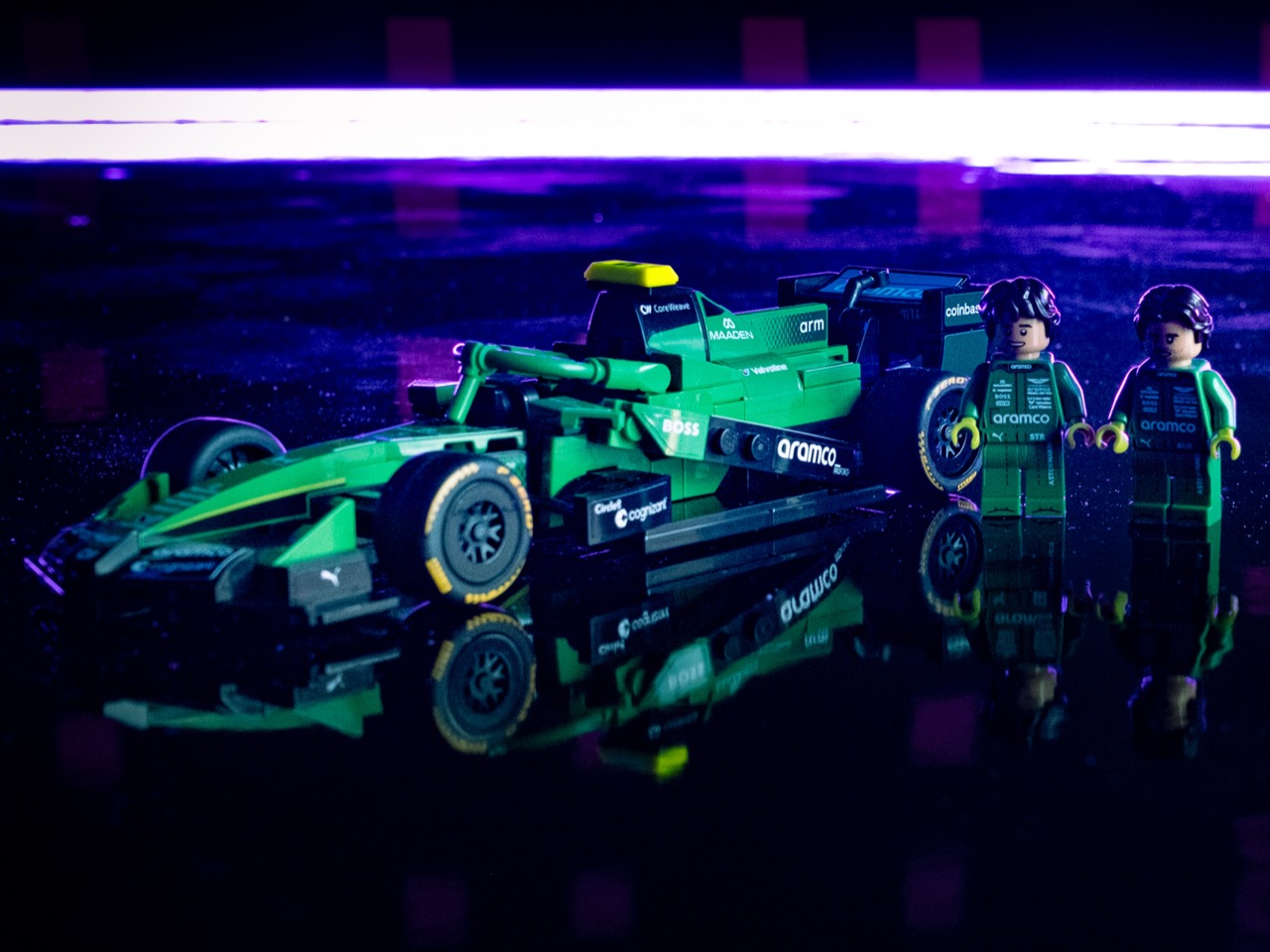
Each set costs $29.99, up from $26.99 for the 2025 cars. The second minifig may help explain the bump. Set numbers run from 77267 for Ferrari’s SF-26 to 77277 for Cadillac’s MAC-26, and all 11 launch March 1, 2027, at LEGO.com and LEGO Stores. Collect the full grid and you’re looking at $329.89 and 2,329 pieces. The Red Bull RB22 and the VCARB 03 carry an 18+ rating, because energy drink marketing rules apply even to cars made of plastic.
The sets follow two years of LEGO turning F1 weekends into brick-built theater, starting with 10 drivable big-build cars in the 2025 Miami Grand Prix drivers’ parade. Silverstone got 22 drivable minicars this July, each made from more than 28,000 bricks and capable of about 15.5 mph (25 km/h). This weekend, a modified minicar from each team takes a lap of the Las Vegas Strip circuit, while a LEGO-wrapped monorail train runs through a LEGO-themed Flamingo/Caesars Palace station. The drivers finally get to play themselves in the little cars, too.